UCLA
Karim Chamie, MD
Lead investigator of the pivotal bladder-cancer trial and first author of the NEJM Evidence report. On what the approval means and why IL-15 matters (Oncology Central interview; UCLA Health).
How the count comes back
Chemotherapy and radiation kill dividing cells, and the lymphocytes that hunt cancer are collateral damage. Anktiva is an IL-15 signal that tells the body to make more of its own natural killer cells and T cells, and to keep them alive longer. It is the reason Beth's count went from 525 to 1,400 after one injection.
The news version
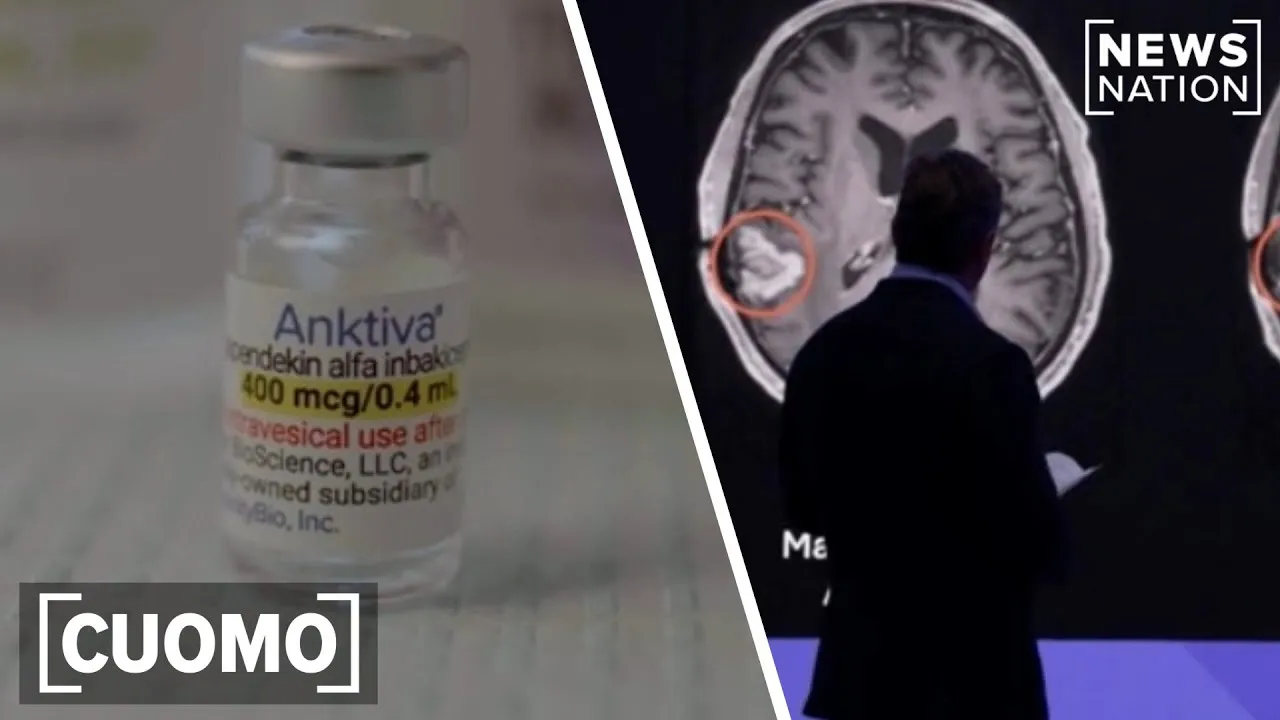
NewsNation's Killing Cancer series explains in five minutes what the rest of this site documents in footnotes: how IL-15 binds to natural killer cells, multiplies them, makes them stronger and longer-lived, and sends them after abnormal cells, and why chemotherapy and radiation leave that army depleted (NewsNation, Nov 26, 2025).
In his own words
The surgeon and scientist behind Anktiva has explained the idea to oncologists and to general audiences. Start with whichever room you sit in.
"We have, within our body, the power within us to stimulate the very cells that kill cancer with a simple subcutaneous injection."Dr. Patrick Soon-Shiong, Oncology Brothers, Feb 2026
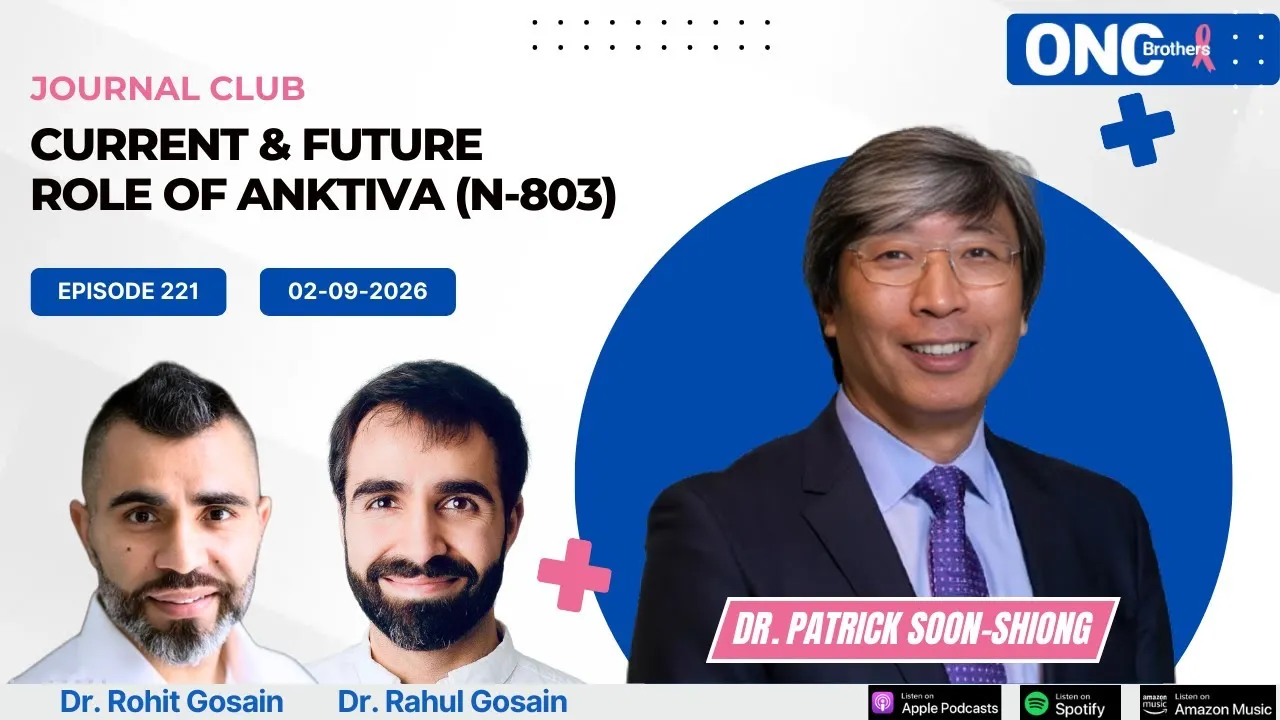 Oncology Brothers · Journal Club"Current & Future Role of Anktiva (N-803)." Two practicing oncologists interview Dr. Soon-Shiong on IL-15, NK cells, CD8 memory T cells and lymphopenia. February 9, 2026.For clinicians · YouTube
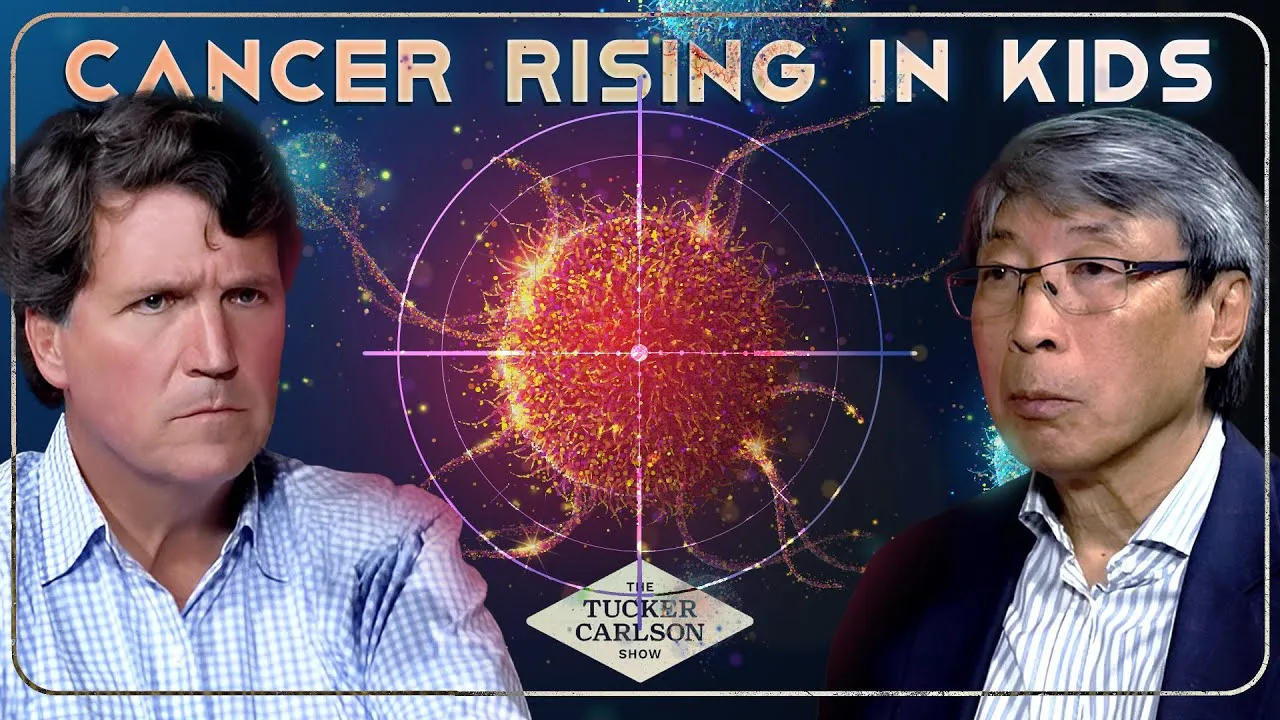 The Tucker Carlson ShowThe interview Beth saw. Why cancer is rising in the young, how the immune system is meant to clear it, and the "BioShield" idea of activating NK and T cells. March 26, 2025 · 1 h 49 min.General audience · YouTube
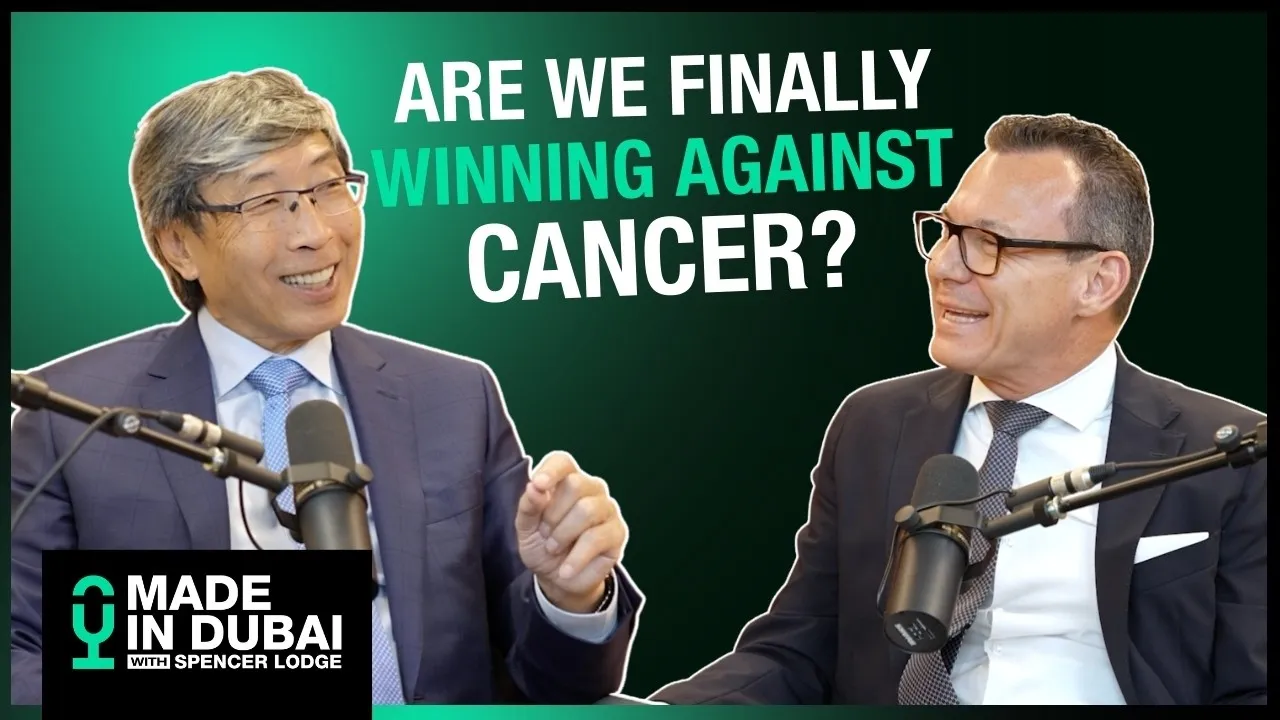 Spencer Lodge Podcast"Are we finally winning against cancer?" Dr. Soon-Shiong on IL-15 as "the number one ranked molecule," NK cells, and the pandemic of cancer. March 2, 2026 · 55 min.General audience · YouTube
GU Oncology Now · How it worksSeven minutes on mechanism: NK cells recognize tumor cells that hide from T cells, interferon-gamma restores the tumor's visibility, and T cells finish the job. May 6, 2024.For clinicians · YouTube
The Sean Spicer Show"We are attempting to prevent cancer." On the fully accrued NCI trial of IL-15 plus a tumor-targeting adenovirus in people with Lynch syndrome. June 19, 2026 · 49 min.Policy audience · YouTube
OncoDaily · "Expanded access is not enough""The first IL-15 protein biologic in the history of medicine with an approved FDA label that states it expands your NK and T cells." On why lymphopenia needs a label, not a program. November 2025.Read · OncoDaily
Spencer Lodge Podcast"Are we finally winning against cancer?" Dr. Soon-Shiong on IL-15 as "the number one ranked molecule," NK cells, and the pandemic of cancer. March 2, 2026 · 55 min.General audience · YouTube
GU Oncology Now · How it worksSeven minutes on mechanism: NK cells recognize tumor cells that hide from T cells, interferon-gamma restores the tumor's visibility, and T cells finish the job. May 6, 2024.For clinicians · YouTube
The Sean Spicer Show"We are attempting to prevent cancer." On the fully accrued NCI trial of IL-15 plus a tumor-targeting adenovirus in people with Lynch syndrome. June 19, 2026 · 49 min.Policy audience · YouTube
OncoDaily · "Expanded access is not enough""The first IL-15 protein biologic in the history of medicine with an approved FDA label that states it expands your NK and T cells." On why lymphopenia needs a label, not a program. November 2025.Read · OncoDaily
Other physicians
UCLA
Lead investigator of the pivotal bladder-cancer trial and first author of the NEJM Evidence report. On what the approval means and why IL-15 matters (Oncology Central interview; UCLA Health).
Vanderbilt
Presented the long-term results at AUA 2025: 71% complete response, median duration 45 months, and most responders keeping their bladder at three years (UroToday video; Urology Times).
Central New York
A surgeon who performs cystectomies for a living, on his first Anktiva patient: "How Anktiva works is to make the tumors go from cold to hot, and then the immune system is a powerful tool to then scavenge those cancer cells and keep them at bay." Watch in Killing Cancer →
Lisa's oncologist
On a myeloma remission that has outlasted every expectation: "I think what will probably revolutionize the care is immune treatment. The field is looking at immune treatments that try to rev up someone's own NK cells." Watch in Killing Cancer →
Cedars-Sinai
Glioblastoma, clean scans after standard care plus Anktiva. Andrew, quoting his oncologist: "He's never seen that at that sort of level," and, "I'm very excited that you're willing to pioneer these different treatments." Watch in Killing Cancer →
Regulators and registries
In June 2025 the FDA authorized an Expanded Access Program for Anktiva to reverse and maintain the lymphocyte count in adults with solid tumors after chemotherapy, immunotherapy or radiation (NCT06956547; Urology Times).
The patients
It gave me almost like a supercharged feeling. I was golfing the next day.ValerieStage 4 lung cancer, 24 tumors, "six to eight weeks"
75% to 80% improved in just two months. He called me his miracle patient.AndrewGlioblastoma · Anktiva after chemo and radiation
I had an MRI scan January 13th, came back clean. My last scan came back clean.AlanRecurrent prostate cancer · Anktiva before radiation
Within 10 days of that shot, my PSA went to undetectable levels.BethStage 3 colon cancer · lymphocytes stuck at 525 for two years
After the first injection, my lymphocytes went from 525 to 1,400. One shot.Jim and BillyNewsNation · "Saved my life"
Two more trial patients describe their results, and the access problem that remains.
More patient accounts, including Irv and Wayne, are published by the manufacturer at anktiva.com/patient-stories. Individual results vary; these are the patients' own words, not a promise.
Ask about it
For fifty years the answer to a low lymphocyte count was "wait." Today there is an FDA-approved medicine for one cancer, an FDA-authorized expanded-access program for lymphopenia in solid tumors, and trials enrolling in glioblastoma, pancreatic, lung and prostate cancer. Bring the number and the question.
Honest label. Anktiva is FDA-approved, since April 22, 2024, with BCG for BCG-unresponsive non-muscle-invasive bladder cancer with carcinoma in situ (FDA). Its use to restore lymphocytes is investigational: available through expanded access and clinical trials, with RMAT designation, and not yet an approved indication. Much of the lymphopenia data is company-reported and single-arm. The FDA issued the manufacturer a warning letter about promotional claims on March 13, 2026 (FDA). This site links the label, the registries and the interviews so you can weigh them yourself. Educational, not medical advice.